
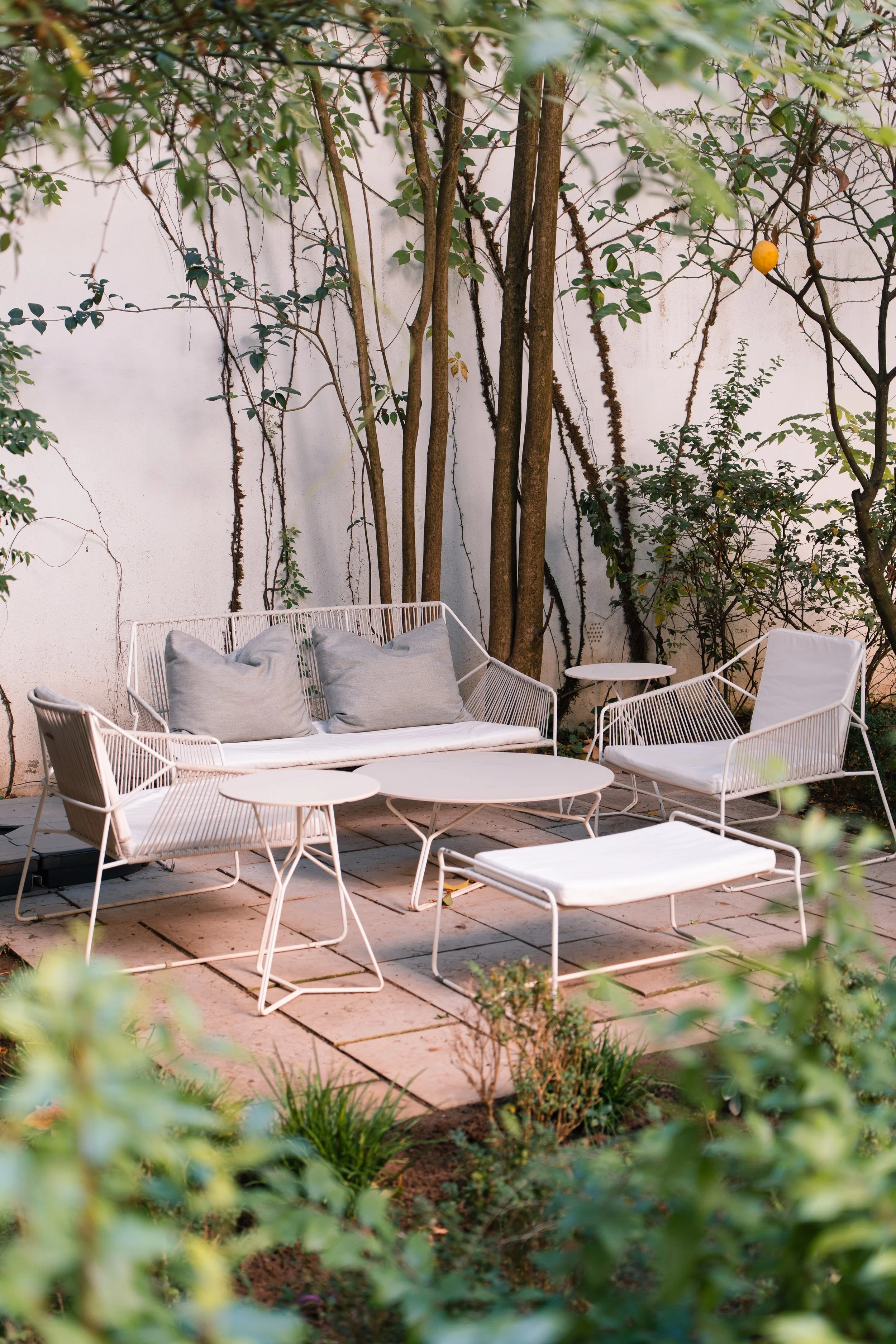
There are places that make you feel as though you have checked into a hotel, and then there are places that invite you to feel at home. Santa Clara 1728, part of the Silent Living collection, belongs firmly in the latter category. Set on one of Lisbon’s most atmospheric squares, this intimate retreat brings together historic architecture, contemporary Portuguese design and a refreshing sense of calm.
The address is Campo de Santa Clara, in the old cultural quarter of Alfama, where the city’s layered history is never far away. The building dates back to the eighteenth century and has been carefully restored by architect Manuel Aires Mateus. Rather than turn the property into a conventional hotel, the renovation allows the original character of the house to remain part of the experience. Pale stone, natural wood, generous proportions and carefully considered details create interiors that feel quietly confident rather than overly decorated.
Architecture That Lets the Light In
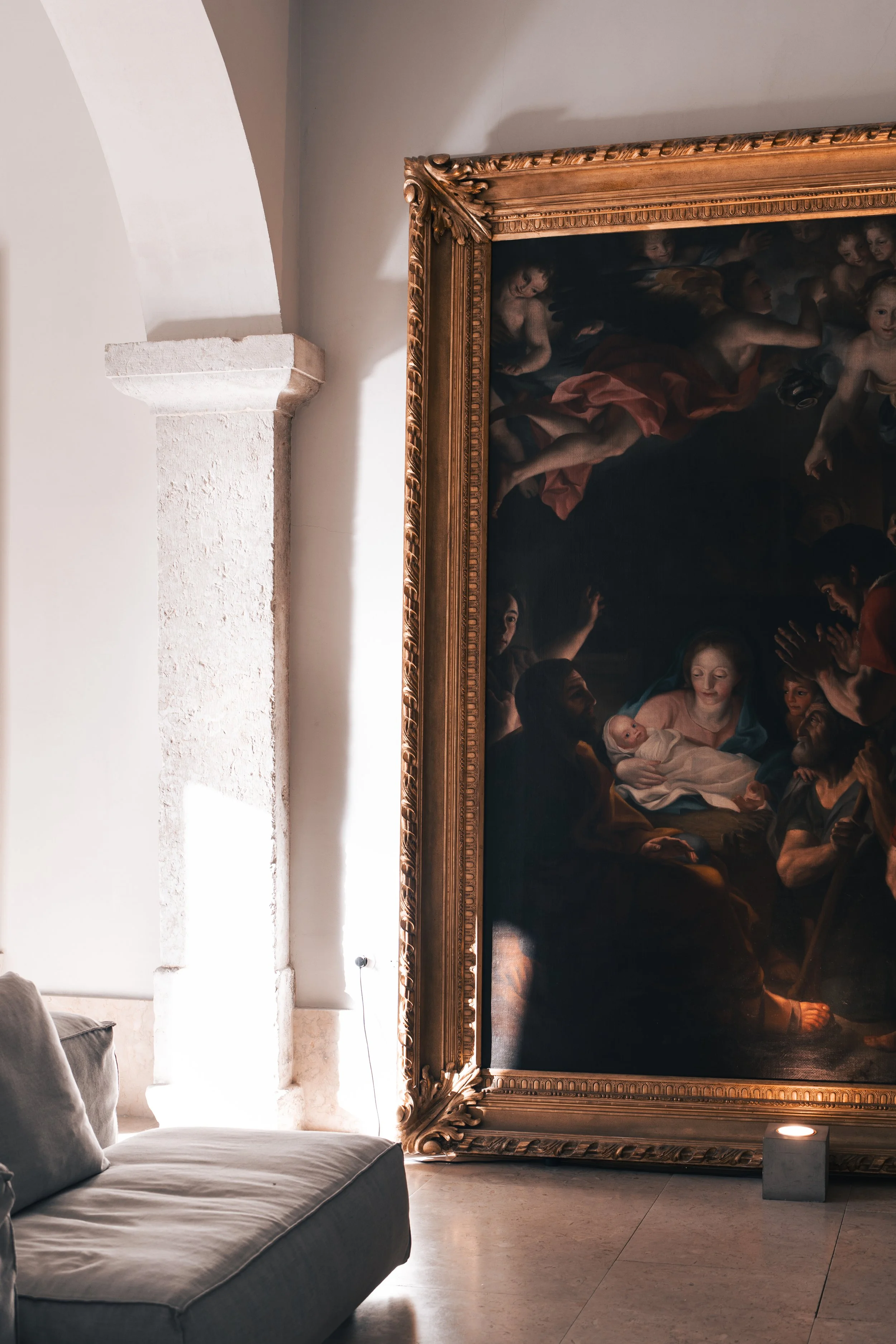
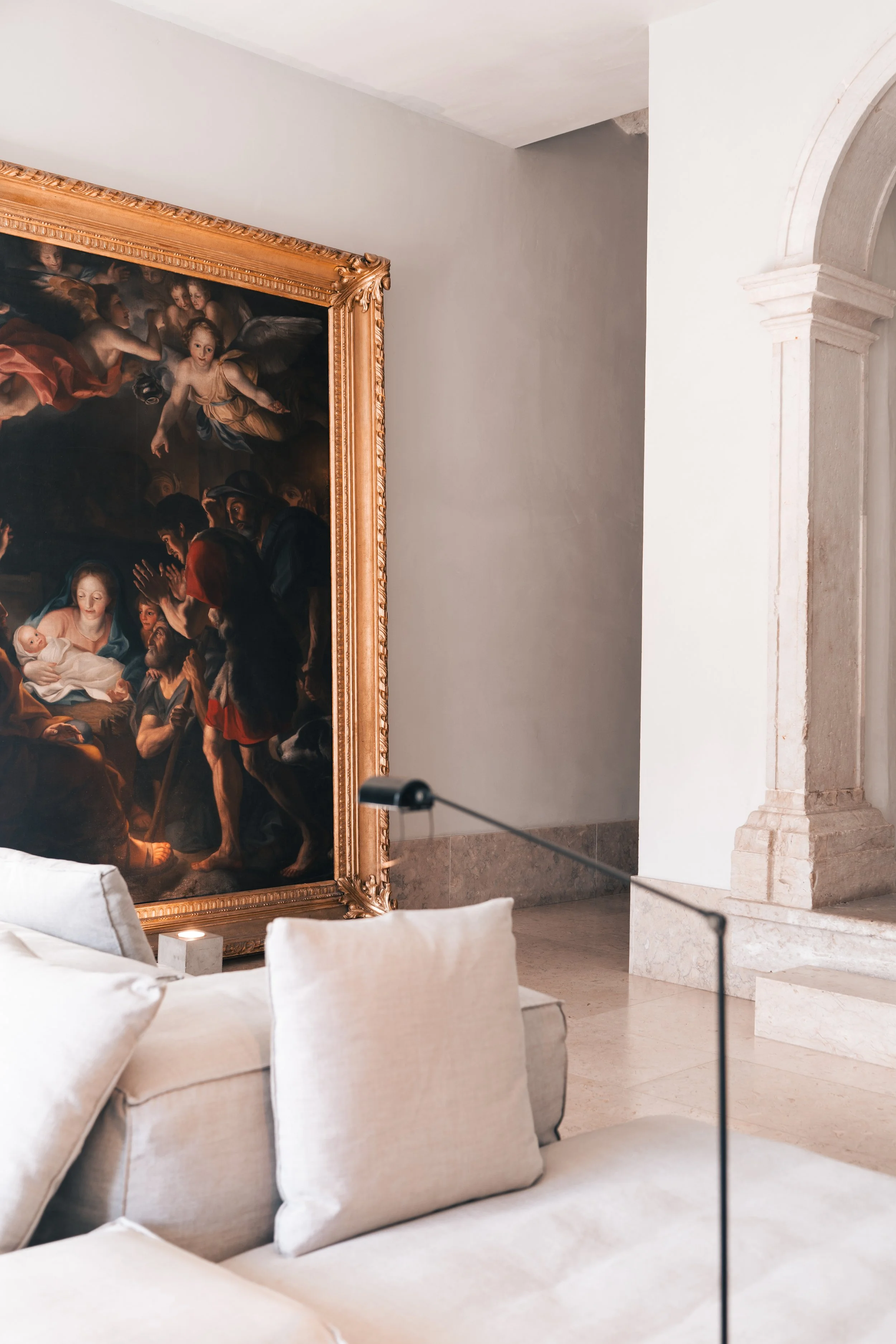
The first impression is one of space and light. The entrance opens into a welcoming home-like setting, with high ceilings, elegant architectural lines and a considered mix of contemporary furniture and historic details. The design is restrained, but never cold. Natural materials do much of the work, while the building’s original character gives each room a sense of place.
The collaboration with Manuel Aires Mateus is central to the identity of Santa Clara 1728. His approach respects the building’s past while giving it a new rhythm, one that feels distinctly Portuguese without relying on predictable decorative references. The result is a thoughtful conversation between old and new, with the architecture itself taking centre stage.
Six Suites, Each With a Sense of Home
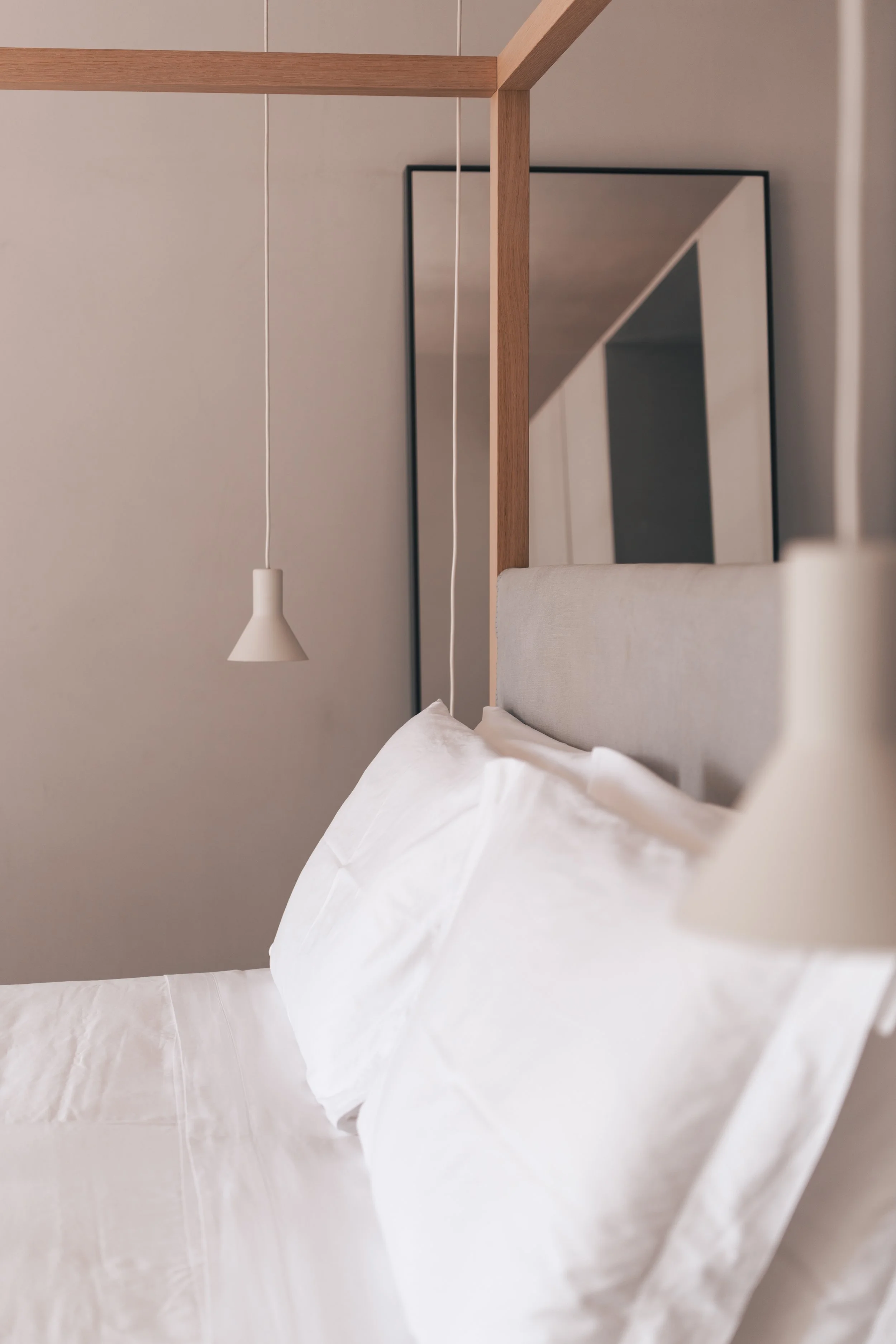
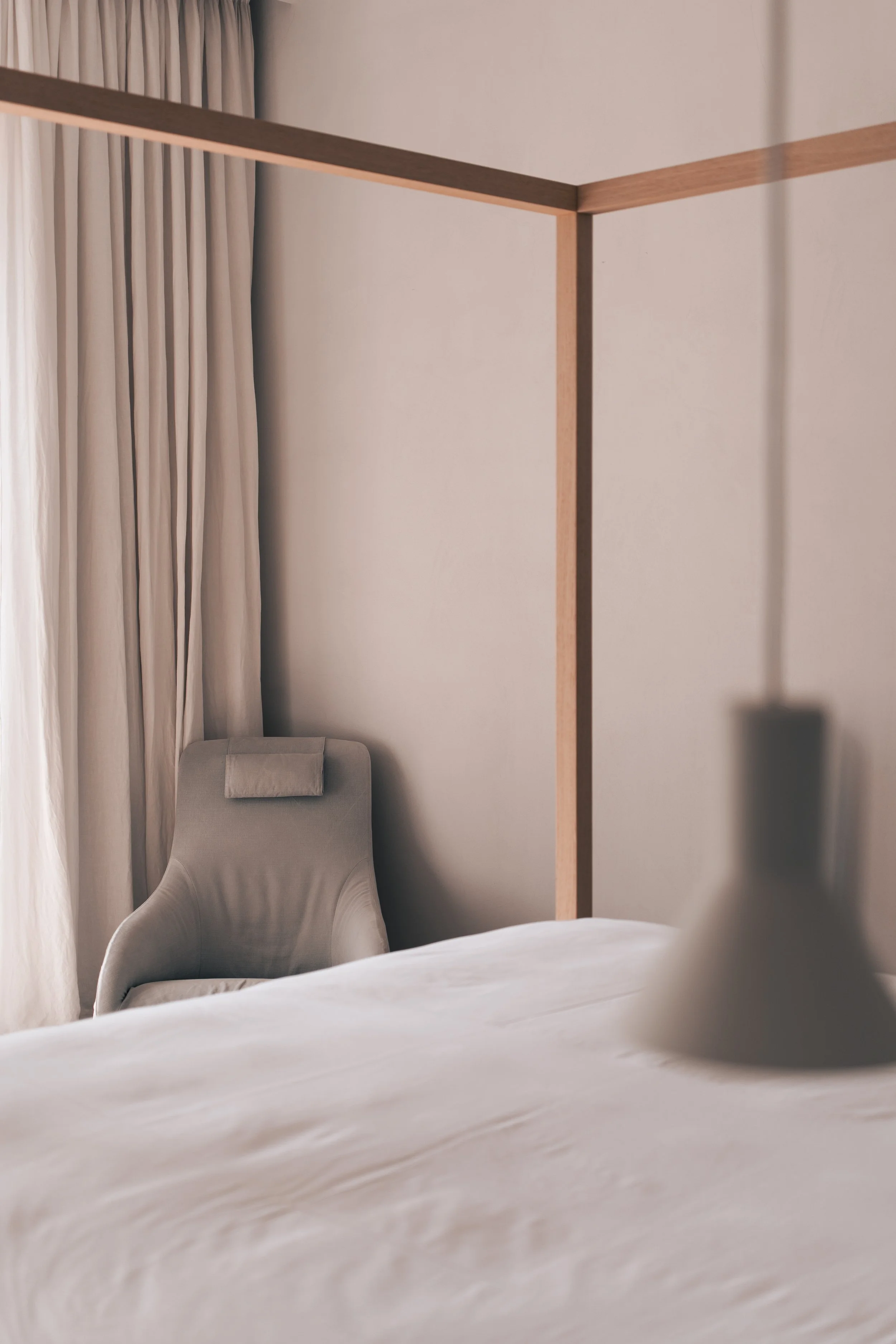
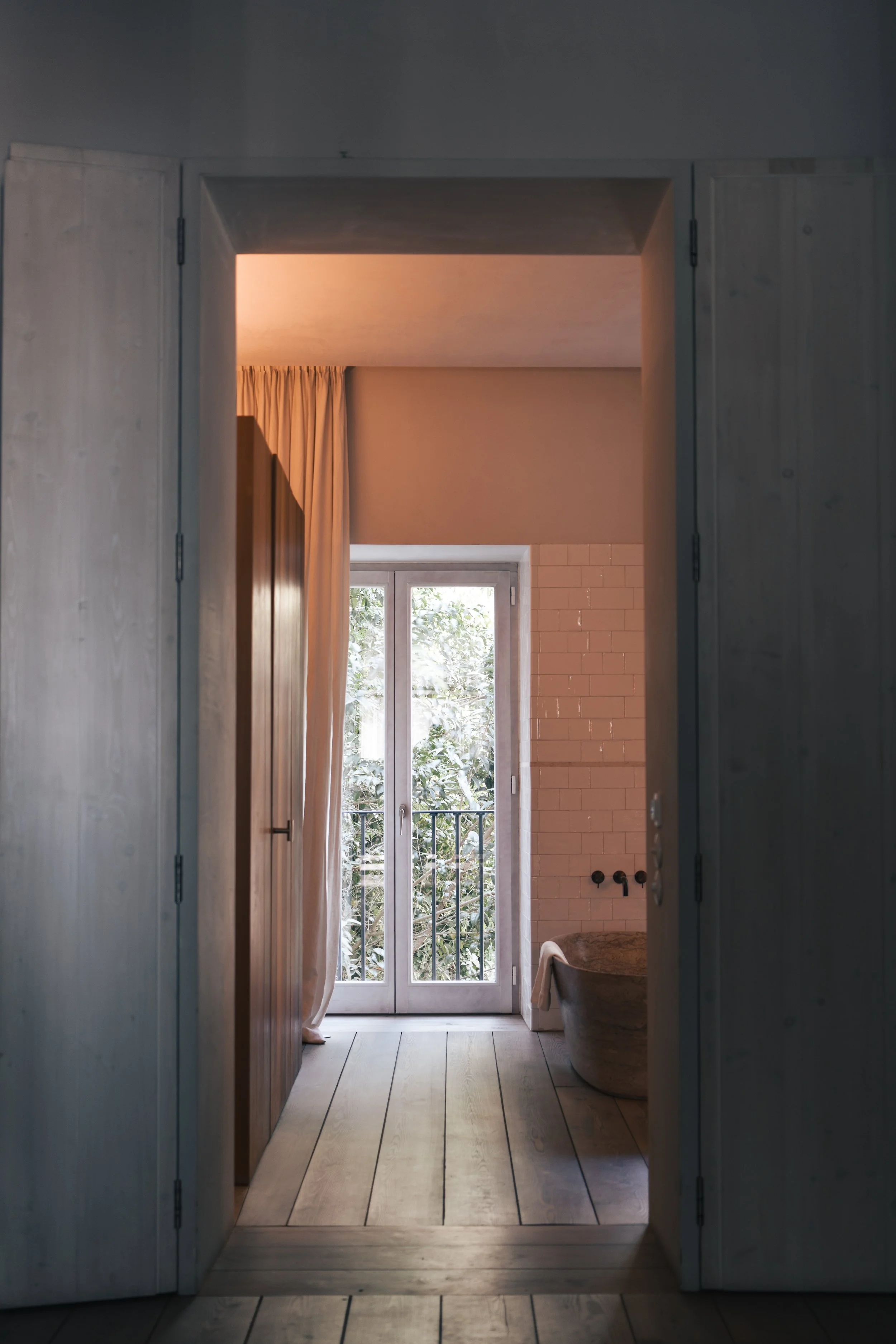
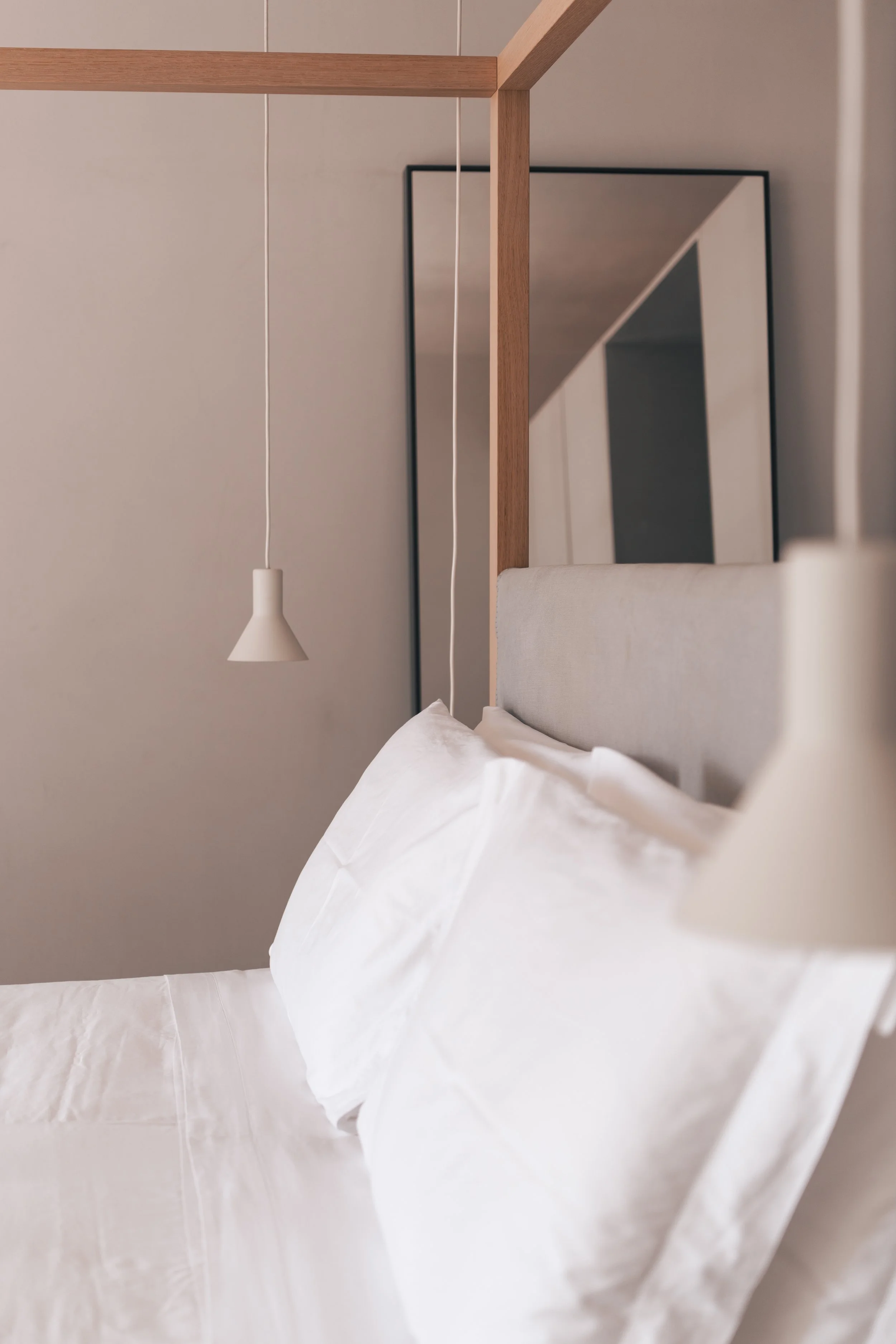
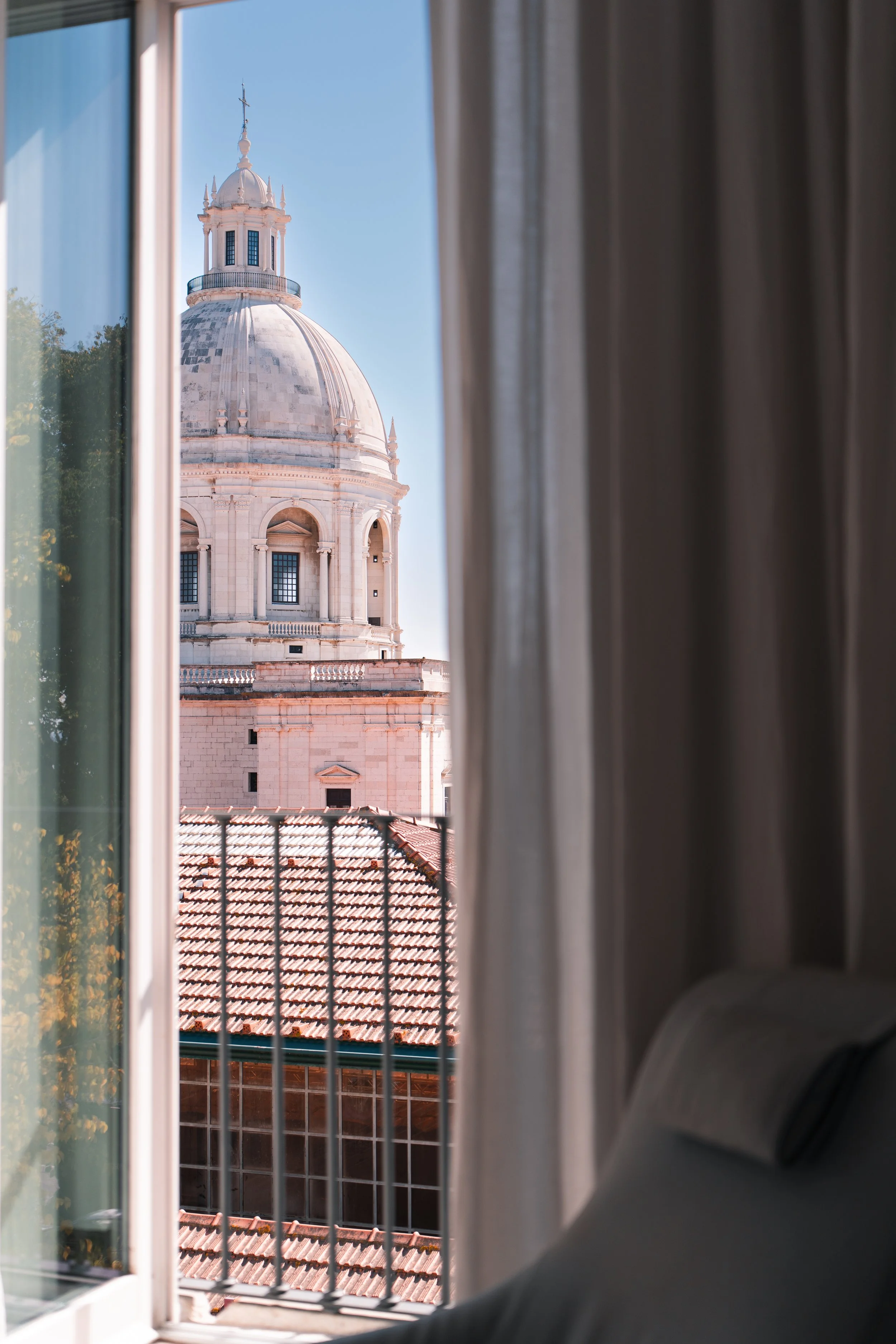
With just six suites, Santa Clara 1728 offers a more personal alternative to Lisbon’s larger hotels. The rooms are spacious and minimalist, with soft natural tones, pale timber, beautiful linens and large windows that bring daylight into the interiors. Some enjoy views towards the Tagus River and the surrounding historic rooftops, while the overall atmosphere encourages guests to slow down and settle in.
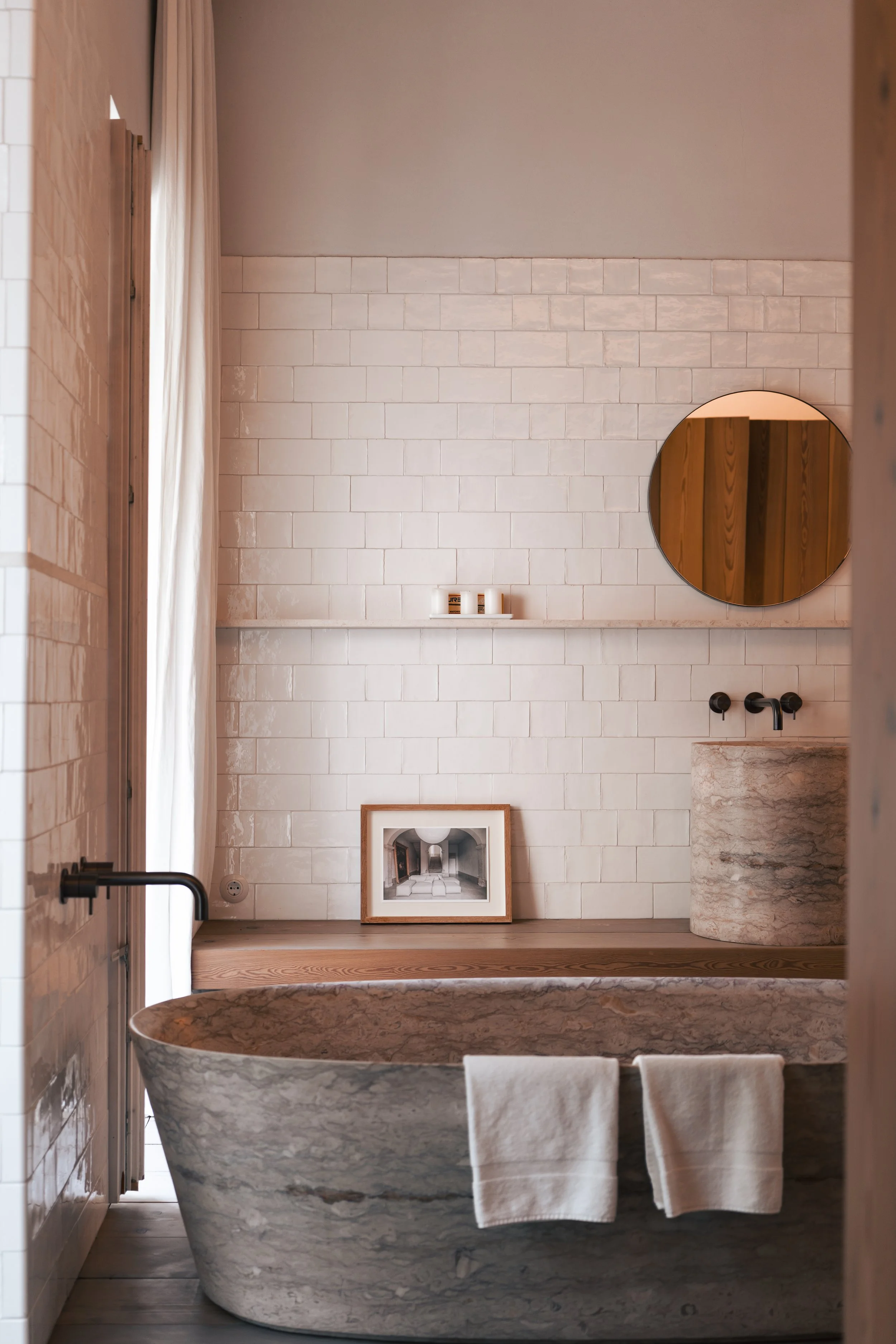
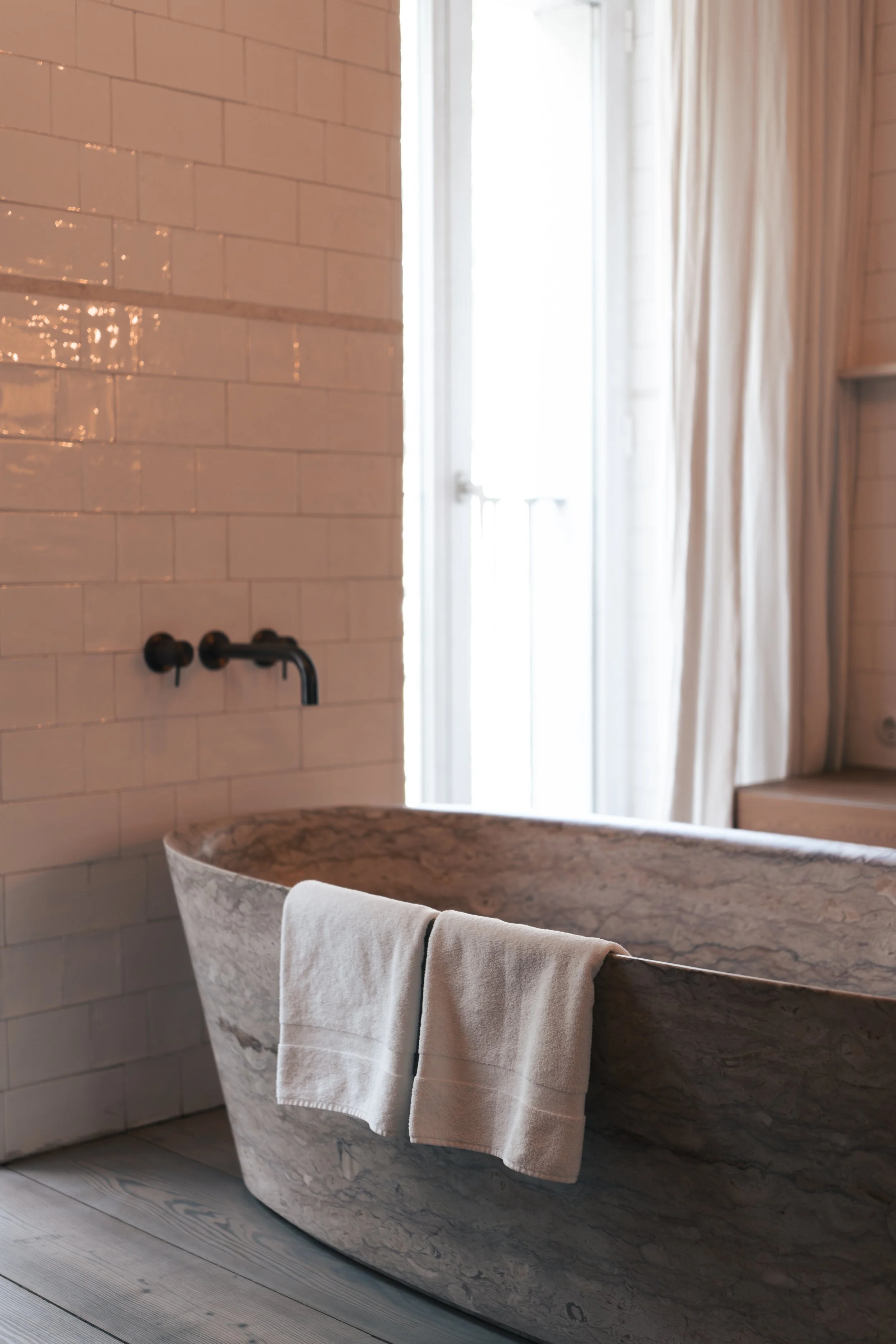
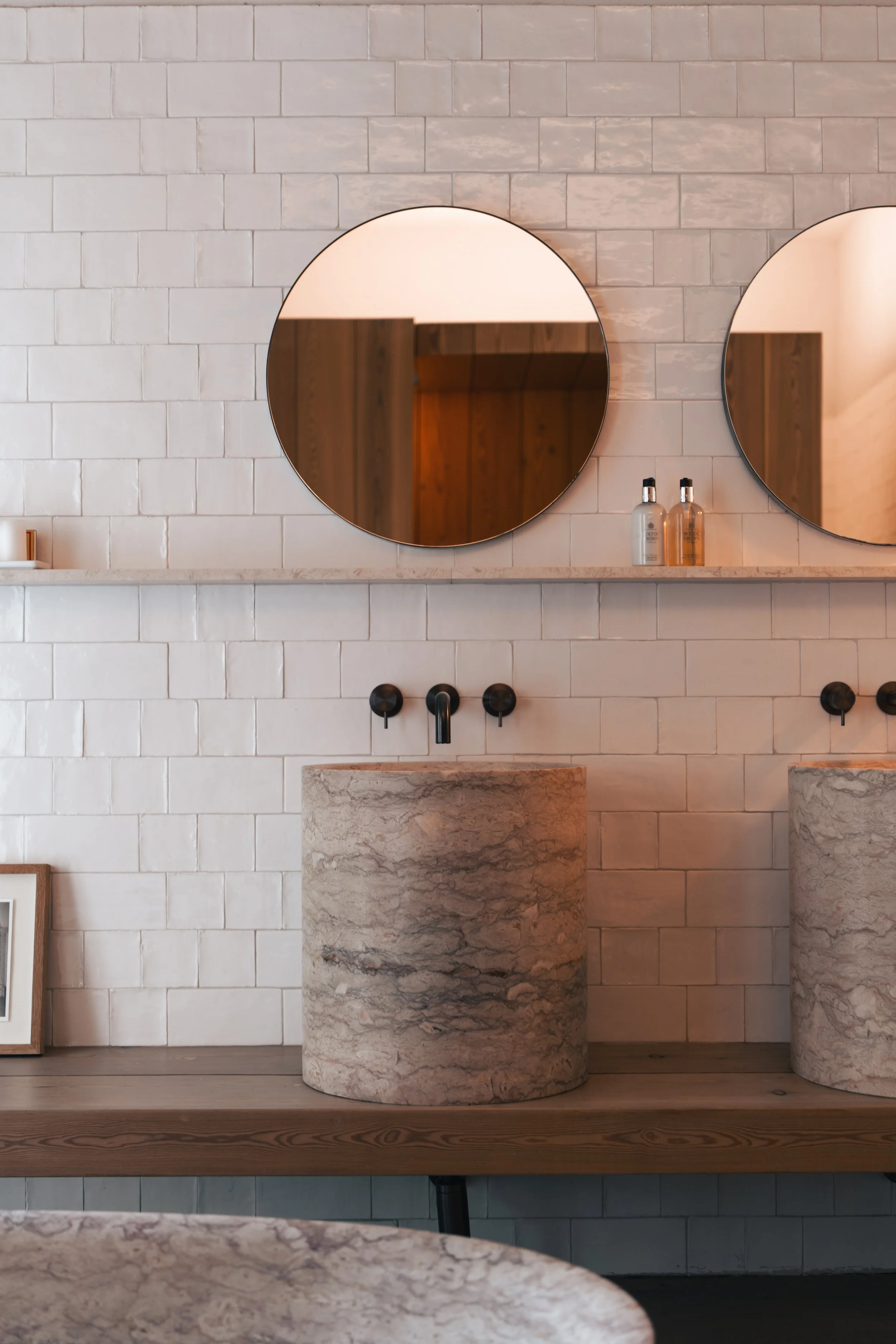
Bathrooms are among the most memorable design features. Freestanding stone bathtubs, carefully selected finishes and open-plan layouts give them the feeling of private bathing spaces rather than conventional hotel bathrooms. The suites also include thoughtful comforts such as coffee facilities and a minibar.
There are no televisions, a deliberate choice that reflects the property's philosophy. Here, the pleasure lies in the space, the view, a good book or simply having nowhere particularly urgent to be. It is worth noting that the property does not have air conditioning, so guests planning a summer visit may want to consider this before booking.
The Pleasure of Sharing a Table
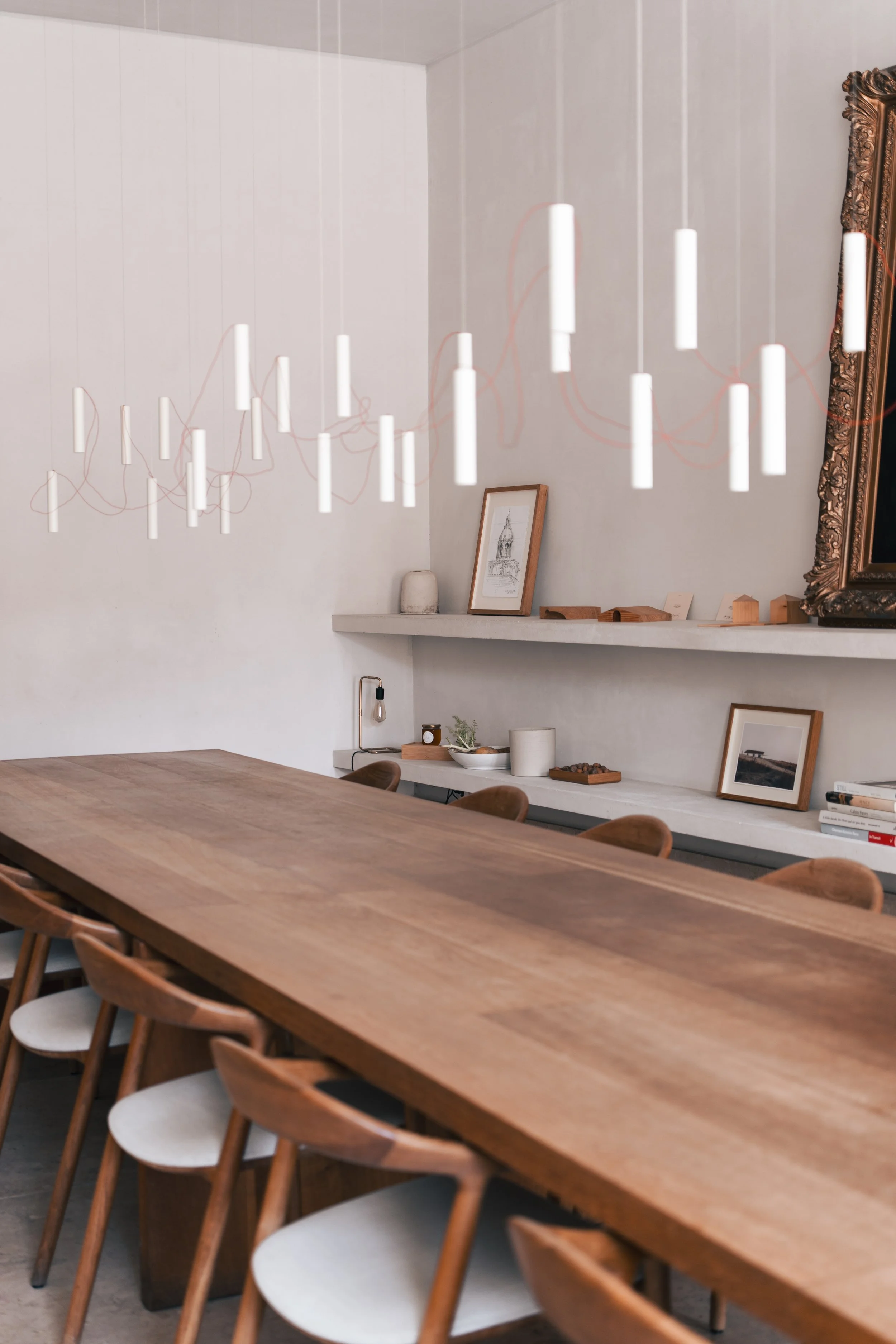
At the heart of the house is a generous communal dining space, centred around a long wooden table. It is a natural gathering point, encouraging guests to enjoy breakfast together rather than retreat behind separate restaurant tables. The experience feels closer to staying in a well-loved private home than following the routine of a traditional hotel.
Breakfast is part of the stay, and the house's approach to food is rooted in hospitality and togetherness. Meals can also be arranged in advance, making the dining room a place for longer conversations and relaxed evenings. The emphasis is not on an elaborate restaurant scene, but on good food, shared moments and the pleasure of feeling welcome.
A Garden Hideaway Above the City
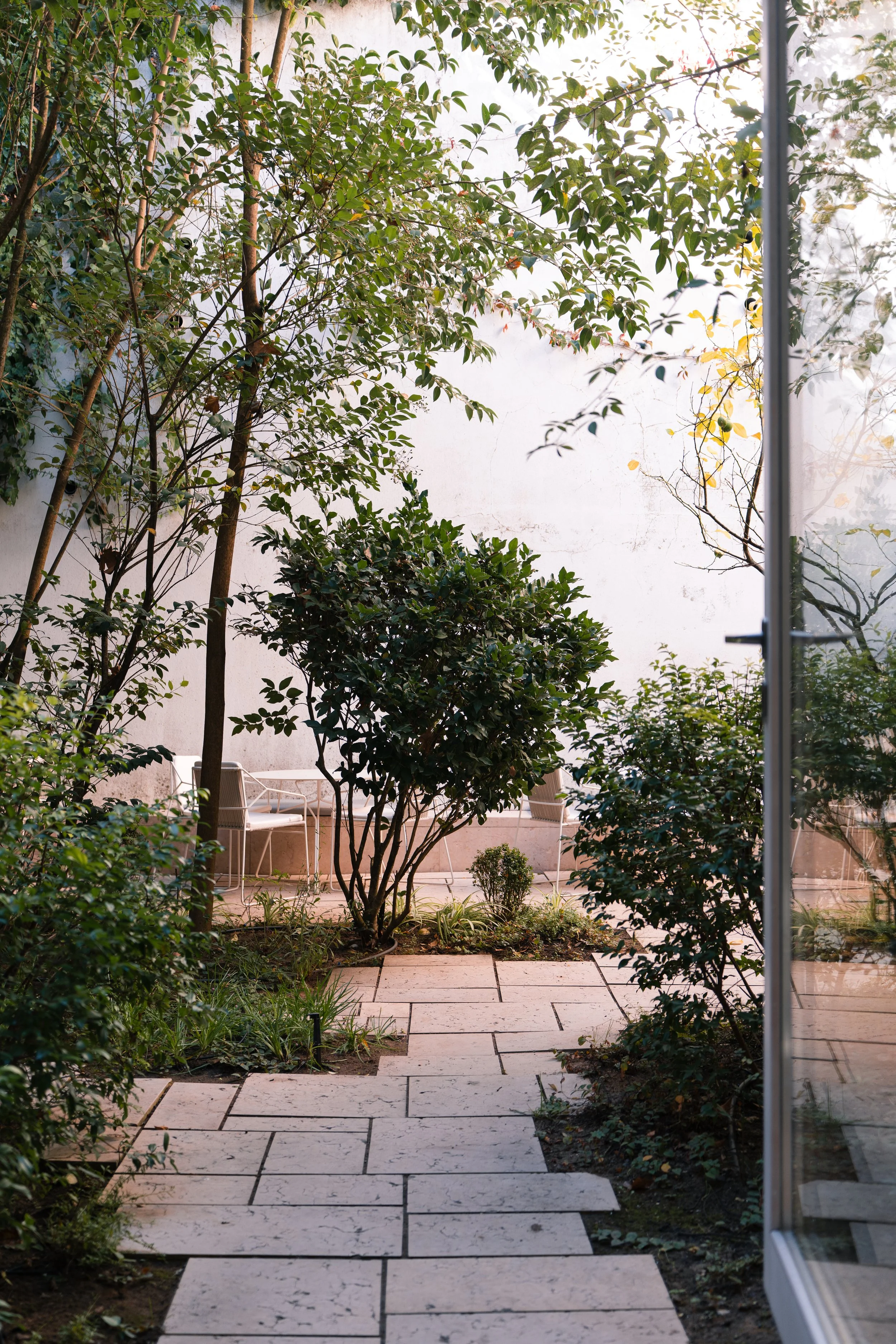
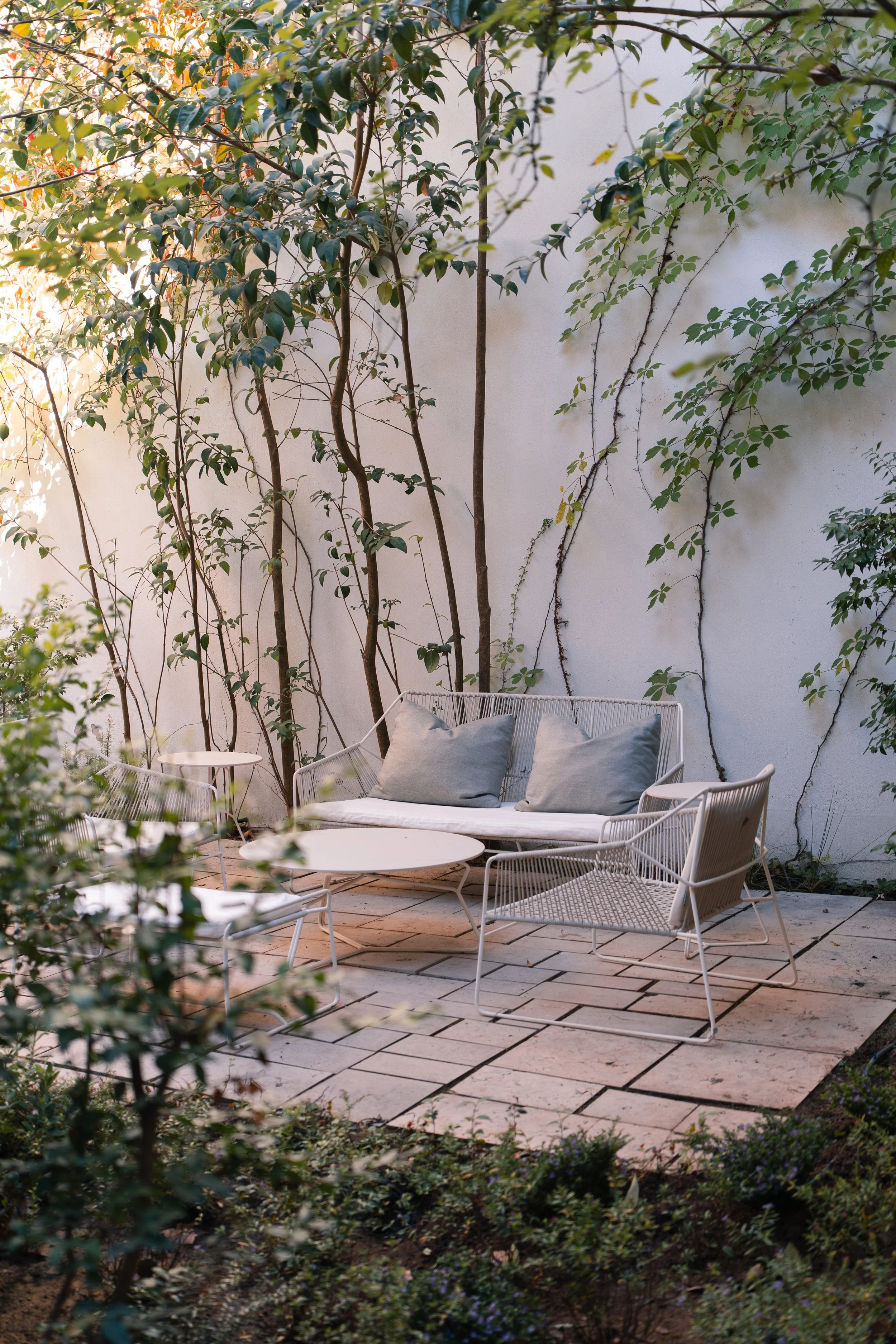
Beyond the interiors, a secluded courtyard garden offers a quieter corner in which to pause between explorations. It provides a welcome contrast to Lisbon's busy streets and steep hills, particularly after a day spent walking through the old neighbourhoods.
The property is not built around an extensive list of facilities. There is no spa or swimming pool competing for attention. Instead, its appeal comes from the atmosphere of the house itself: the architecture, the communal spaces, the thoughtful restoration and the feeling of having a little place of your own in the city.
Alfama and the Lisbon Beyond the Door
The location is one of Santa Clara 1728's greatest pleasures. Campo de Santa Clara sits within Lisbon's historic eastern quarter, facing the National Pantheon and close to the Monastery of São Vicente de Fora. The square is also home to the famous Feira da Ladra, the city's traditional flea market, held on Tuesdays and Saturdays. It is a wonderful place to browse vintage finds, ceramics, books and curiosities, and to experience a more everyday side of Lisbon.
From here, the lanes of Alfama invite exploration. Follow the streets towards the viewpoints, listen for the sound of fado drifting from a restaurant, or make your way downhill towards the river. The historic centre, with its tiled façades, small cafés and lively squares, is within easy reach, while the surrounding neighbourhood offers plenty of reasons to wander without a fixed plan.
For a stay that balances the energy of Lisbon with the comfort of a private home, Santa Clara 1728 makes a particularly appealing base. It is best suited to travellers who appreciate architecture, thoughtful design and a more personal style of hospitality.
Santa Clara 1728 is not a hotel that tries to be everything. Its appeal is more understated: six beautifully considered suites, an eighteenth-century Lisbon address, the work of a celebrated Portuguese architect and a welcoming atmosphere built around shared spaces. It offers a different way to experience the city, one that feels less like passing through and more like being invited into a home.
Official website: https://www.silentliving.pt/houses/santa-clara-1728/